A Practical Guide to NFPA 96 Guidelines for Commercial Kitchen Exhaust Systems
If you run a restaurant kitchen, manage a hotel food service operation, or work in any facility with heavy-duty cooking equipment, you already know the exhaust system is the lungs of the whole space. But what keeps those lungs from becoming a fire hazard? The answer lies in a set of standards that many in the industry talk about but not everyone fully understands: NFPA 96 guidelines. These rules, published by the National Fire Protection Association, cover everything from hood cleaning frequency to ductwork construction, and they exist for one simple reason: to stop kitchen fires before they start.
I have spent years working with commercial kitchen ventilation systems, and I can tell you that the difference between a safe kitchen and a dangerous one often comes down to how well the exhaust system is maintained. Grease build-up in ductwork and exhaust fans is the leading cause of restaurant fires, and the NFPA 96 guidelines are the most widely accepted standard for preventing that. They are not just a suggestion; in many jurisdictions, they are enforced by local fire marshals and insurance companies. If you have never read them closely, you might be surprised by what they require.
What the Bare Metal Standard Means for Your Kitchen
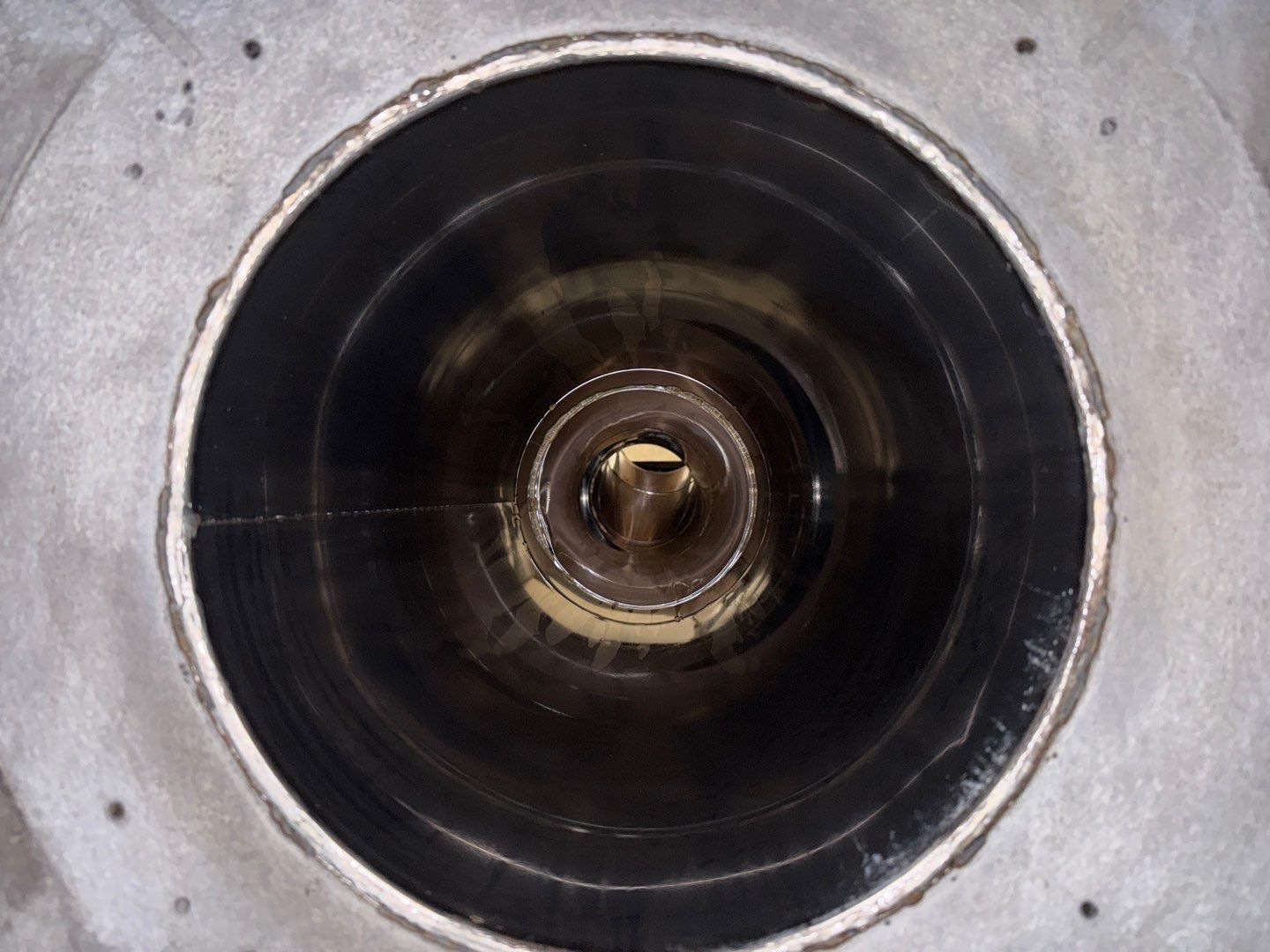
One of the most misunderstood parts of NFPA 96 is the Bare Metal Standard. This rule states that after a cleaning, all interior surfaces of the exhaust system must be free of visible grease, ash, or other residues. In other words, the metal should look like metal. No shiny film, no tacky spots, no patches of baked-on carbon. This applies to the hood interior, the grease filters, the exhaust fan blades, and every inch of ductwork from the cooking surface to the roof.
I have walked into kitchens where the hood cleaning crew left a thin layer of grease on the duct walls, claiming it was "normal" or "too hard to remove." That is not compliance. The Bare Metal Standard is explicit. If you can see or feel grease, it is too much. Fire code compliance depends on meeting this standard, and it is why reputable hood cleaning companies will often use a combination of pressure washing, hand scraping, and chemical degreasers to get every surface clean.
Why Grease Build-Up Is More Dangerous Than You Think
Grease build-up does not just look bad. It is a fuel source that can ignite at temperatures as low as 500 degrees Fahrenheit. In a commercial kitchen, exhaust ductwork can easily reach those temperatures during peak cooking hours. When grease accumulates inside the duct, it creates a perfect path for a fire to travel from the cooking surface to the rest of the building. I have seen the aftermath of a duct fire that started because the exhaust fan was caked with two years of grease. The fire spread through the ductwork and into the ceiling, causing tens of thousands of dollars in damage before the sprinklers could contain it.
The NFPA 96 guidelines address this by setting specific cleaning frequencies based on the type of cooking. A high-volume restaurant kitchen that uses charbroilers or griddles may need monthly cleanings, while a lower-volume operation might be fine with quarterly. The standard also requires that cleaning records be kept on site and made available to the fire marshal during inspection. Those records are your proof that you are following the maintenance schedule. Without them, you might as well not have done the cleaning at all.
Beyond Cleaning: What Else NFPA 96 Covers
While hood cleaning is the most visible part of the standard, NFPA 96 guidelines go much further. They cover the design and installation of the exhaust system, including the clearance between ductwork and combustible materials, the type of metal that must be used, and the requirements for fire suppression systems. The fire suppression system, typically a UL 300 listed chemical system, must be inspected and serviced every six months. This system is your last line of defense if a fire ignites, and it must work perfectly every time.
The guidelines also address grease filters. These are not optional. Every exhaust hood must have listed grease filters that are removable for cleaning. They must be installed at the correct angle to allow grease to drain into a collection trough. I have seen kitchens where the filters were missing or clogged, and in every case, the grease build-up in the ductwork was worse. Filters are your first defense. Keep them clean, and you reduce the load on the rest of the system.
Common Misunderstandings About NFPA 96 Compliance
One thing I hear often is, "We clean the hoods ourselves, so we don't need a professional." While it is true that in-house staff can clean the visible parts of the hood, the NFPA 96 guidelines require that the entire exhaust system be cleaned, including the ductwork and exhaust fan. Most kitchen staff do not have the equipment or training to clean those areas safely. Ductwork is often located above ceilings or in tight spaces, and cleaning it requires specialized tools, ladders, and knowledge of how to protect the surrounding area from grease drips.
Another misunderstanding is that once the system is clean, it stays clean for a while. In reality, grease build-up happens fast. A busy restaurant kitchen can produce several gallons of grease vapor in a single shift. If the exhaust fan is running continuously, that vapor condenses on the cool metal surfaces of the duct. Within weeks, you can have a significant layer of grease. This is why the cleaning frequency in NFPA 96 is not a one-size-fits-all number. It depends on your specific cooking volume and equipment.

How to Build a Realistic Maintenance Schedule
The first step is to get a copy of the current NFPA 96 guidelines. They are updated every few years, and the latest edition may have different requirements than what you are used to. Once you have them, work with a qualified hood cleaning company to assess your kitchen. They can help you determine the right cleaning interval based on your menu, cooking volume, and equipment type. I recommend asking for a written proposal that includes the scope of work, the cleaning method, and a guarantee that they will meet the Bare Metal Standard.
Then, set up a maintenance schedule that is realistic for your operation. If you are a high-volume pizza place with a deck oven running all day, you probably need monthly cleanings. If you are a small cafe that uses a single range and a ventless hood, quarterly might be enough. The key is consistency. Do not let the cleaning slip because you are busy. A missed cleaning can lead to dangerous grease build-up and a failed hood inspection. And if your insurance company finds out you are not following the schedule, they may deny a claim if a fire occurs.
What to Look for During a Hood Inspection
Whether you are a kitchen manager or a building owner, knowing what the fire marshal will look for during a hood inspection can save you a lot of stress. The inspector will check:
- Cleanliness of hood interior, ductwork, and exhaust fan. No visible grease allowed.
- Proper operation of the fire suppression system, including the fusible links and manual pull station.
- Condition and installation of grease filters. They must be in place and removable.
- Records of cleaning and maintenance. You need to show a log with dates and the name of the company that did the work.
If any of these items fail, you will likely get a citation and a deadline to fix the issue. In some cases, the fire marshal can shut down your kitchen until the problem is resolved. That is a nightmare for any restaurant owner, especially on a busy weekend.
The Role of Professional Hood Cleaning Services
Most commercial kitchens do not have the equipment or expertise to clean their exhaust systems to the standard required by NFPA 96 guidelines. That is where professional hood cleaning companies come in. They have the pressure washers, the degreasers, and the training to reach every part of the system. They also know how to document the work for fire code compliance. If you are looking for a company, check that they are certified by the National Fire Protection Association or a recognized industry group. Ask for references and look at their work before hiring them.
A good hood cleaning service will also provide a report after each cleaning, listing what was cleaned, what was found, and any recommendations for repairs or upgrades. Keep these reports on file. They are your evidence that you are following the NFPA 96 guidelines. I have seen insurance companies request these reports after a claim, and having them can make the difference between a paid claim and a denied one.

Final Thoughts on Staying Compliant
NFPA 96 guidelines are not just a box to check. They are a practical framework for keeping your kitchen, your staff, and your building safe from fire. The cost of regular cleaning and inspection is small compared to the cost of a fire, the downtime from a shutdown, or the liability from an injury. I have walked through too many kitchens that were one spark away from disaster, and in every case, the problem was grease build-up that could have been prevented with a proper maintenance schedule.
If you are responsible for a commercial kitchen, take the time to understand what NFPA 96 requires. Work with a professional cleaning company that knows the standard. Keep your records up to date. And never assume that a little grease is okay. The Bare Metal Standard exists for a reason, and following it is one of the best investments you can make in fire safety.